Hughoney: A Graceful Script Font for Web Design
In the fast-paced world of digital product creation, typography is often the silent ambassador of your brand. As web designers and UI specialists, we constantly search for typefaces that balance aesthetic appeal with functional reliability. Hughoney emerges as a compelling option in this landscape, offering a beautiful and graceful brush script that brings a solid, reliable appeal to creative projects. Unlike many freestyle scripts that sacrifice legibility for flair, Hughoney is engineered with creative randomization to maintain a natural hand-drawn feel while ensuring it performs consistently across various digital interfaces.
Visual Characteristics and Digital Personality
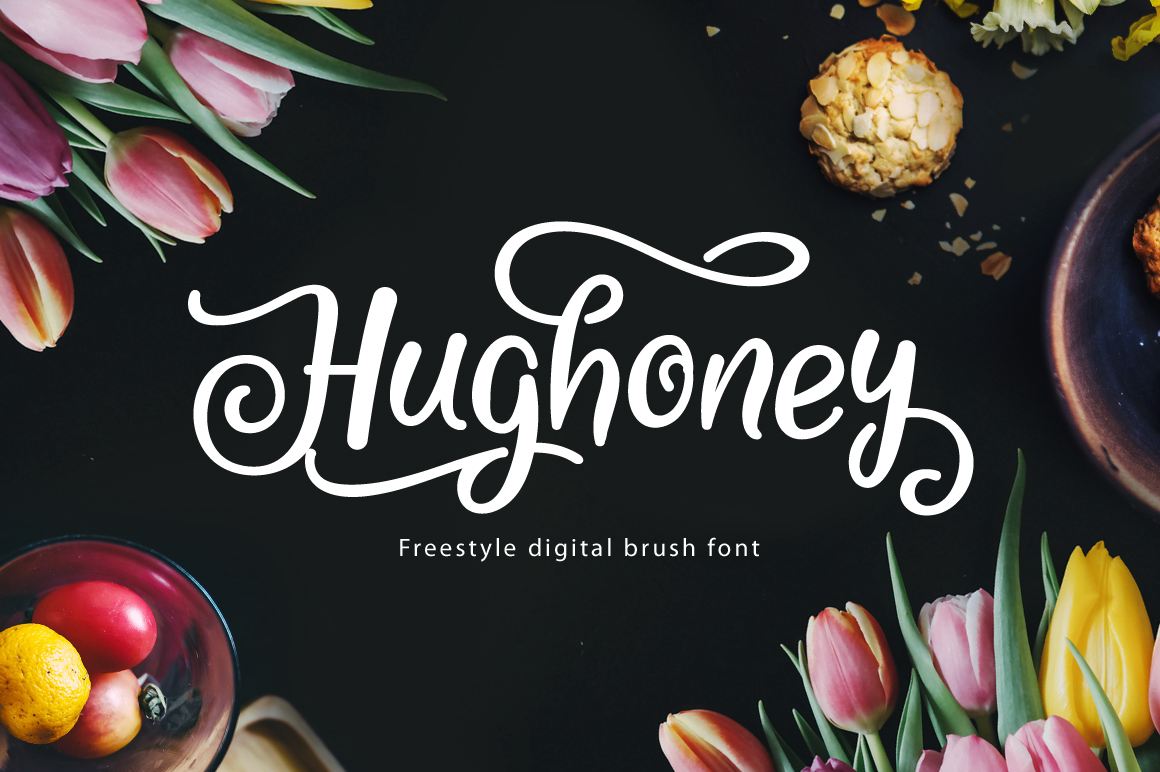
Hughoney belongs to the Script Amp category of fonts, a niche that demands both artistic expression and technical precision. The font features smooth, flowing strokes that mimic the pressure and movement of a real brush. This gives it an organic warmth that sterile geometric sans serifs often lack. For digital creators, this means the typeface can instantly humanize a brand, making it feel approachable and authentic.
The "creative randomization" mentioned in its design philosophy is crucial for modern web design. It prevents the repetitive, robotic look that plagues many digital script fonts. When used in headers or hero sections, Hughoney provides a dynamic rhythm that guides the user’s eye naturally. This visual flow is essential for maintaining engagement on landing pages where first impressions determine conversion rates.
Strategic Applications in Web Layouts
Understanding where to place a display font like Hughoney is key to maximizing its impact without overwhelming the user interface. Here are practical ways to integrate this typeface into your digital products:
- Hero Sections and Landing Pages: Use Hughoney for main headlines to create an immediate emotional connection. Its graceful curves stand out against clean backgrounds, drawing attention to your core value proposition.
- Call-to-Action Areas: While not ideal for small button text due to readability concerns, Hughoney works beautifully for larger CTA banners or promotional overlays that invite users to explore further.
- Online Store Banners: For boutique e-commerce sites, especially those selling handmade goods, fashion, or lifestyle products, Hughoney adds a premium, curated feel to sale announcements and new arrival headers.
- Portfolio and Personal Brands: Creative entrepreneurs can use Hughoney for their name or logo mark, establishing a distinct personal identity that separates them from corporate competitors.
Readability and Visual Hierarchy
One of the primary challenges with script fonts is maintaining readability across different devices. Hughoney addresses this by offering a solid structure beneath its freestyle appearance. However, as a designer, you must respect its limits. This font is best suited for short phrases, titles, and decorative accents rather than long-form body copy.
To establish a clear visual hierarchy, pair Hughoney with a highly legible sans serif font for body text. This contrast ensures that while the headline captures attention, the supporting information remains easy to scan. On mobile screens, where space is limited, ensure that Hughoney is sized appropriately. Avoid using it at small point sizes, as the intricate brush details may blur or become indistinct. Instead, reserve it for larger headings where its graceful lines can be fully appreciated.
When placing text over images, such as in blog graphics or social media banners, consider adding a subtle drop shadow or overlay to enhance contrast. Hughoney performs well on both light and dark backgrounds, but sufficient contrast is non-negotiable for accessibility and user experience.
Font Pairing for Brand Identity
Creating a cohesive brand identity requires thoughtful font pairing. Since Hughoney is a decorative handwritten font, it pairs exceptionally well with neutral, modern typography. Consider these combinations for your next project:
- Hughoney + Geometric Sans Serif: Ideal for SaaS founders and tech startups wanting to add a human touch to a modern interface. The clean lines of the sans serif balance the organic flow of the script.
- Hughoney + Classic Serif: Perfect for editorial design, coaching websites, or luxury brands. This pairing evokes sophistication and trust, leveraging the traditional authority of serif fonts alongside the creativity of Hughoney.
By limiting the use of Hughoney to specific elements like logos, section headings, or pull quotes, you maintain a professional look while injecting personality. Overusing a script font can clutter the interface and reduce perceived professionalism, so restraint is key.
Technical Considerations for Web Implementation
Before integrating Hughoney into your live site or digital template, verify the technical specifications. Check if the package includes webfont formats such as WOFF or WOFF2, which are optimized for faster loading times on browsers. Slow-loading fonts can negatively impact SEO and user retention. Additionally, review the license agreement carefully. Most premium fonts require specific commercial licenses for web use, especially if you are building client projects, online stores, or digital templates that will be distributed.
Ensure that the font supports the necessary character sets for your target audience. If your brand operates globally, check for multilingual support to maintain consistency across different regions. Some script fonts have limited glyph coverage, so confirming this early prevents redesign headaches later.
Elevating Your Digital Presence
Incorporating Hughoney into your design toolkit offers more than just aesthetic enhancement; it provides a strategic advantage in brand communication. In a digital landscape saturated with generic templates, a well-chosen premium font can differentiate your product. Whether you are designing a course sales page, a blog header, or a complete brand kit, Hughoney delivers the grace and reliability needed to build trust with your audience.
Remember that typography is a functional element of UI design. It guides behavior, establishes tone, and facilitates understanding. By using Hughoney thoughtfully—respecting its strengths as a display font and pairing it with complementary typefaces—you create digital experiences that are not only visually striking but also user-friendly and conversion-focused. Embrace the balance of art and utility, and let your typography speak clearly to your users.